Home Pulse Oximeter
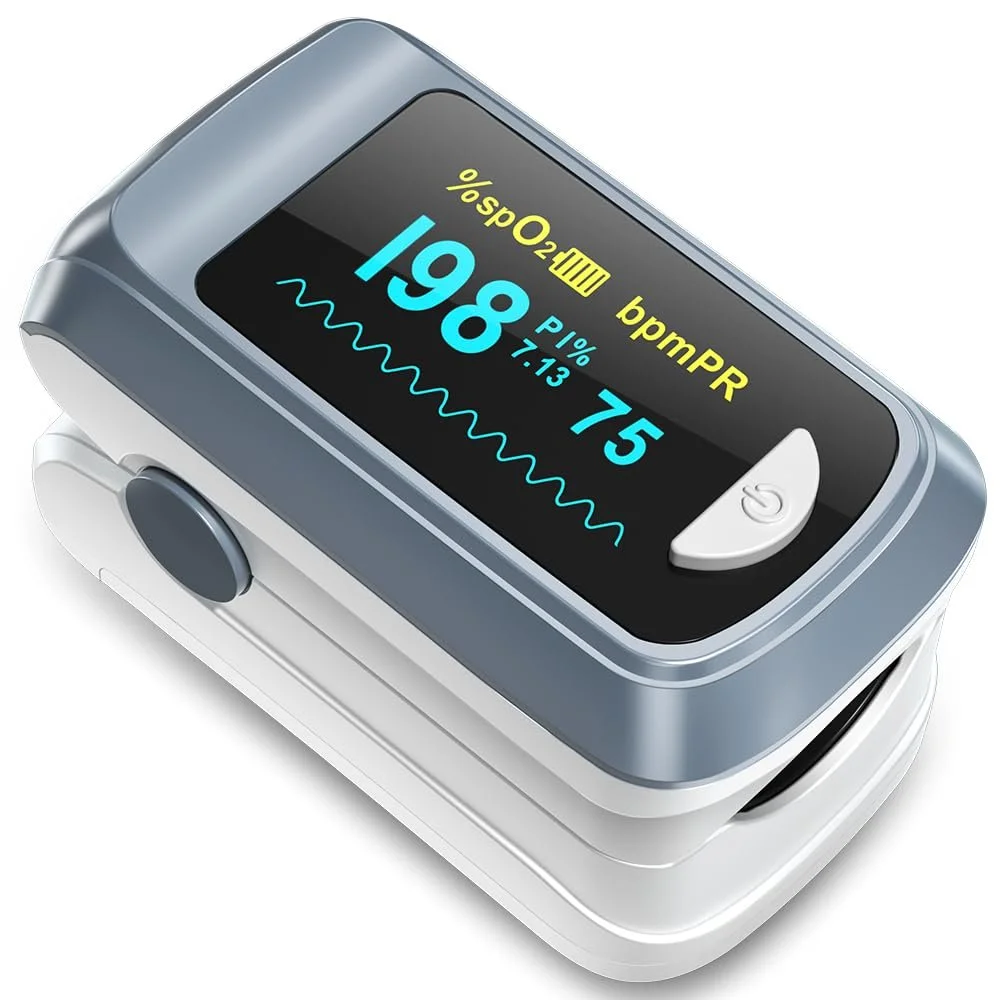
Pulse oximeters are small, non-invasive devices that have become increasingly popular since the COVID-19 Pandemic. They work by measuring the saturation of oxygen in the blood, providing important information that helps healthcare professionals assess a patient's respiratory and overall health. This data is crucial for diagnosing new health conditions and managing chronic conditions such as COPD, sleep apnea, and even high-altitude sickness.
During the COVID-19 pandemic, which spotlighted respiratory health, the use of pulse oximeters expanded beyond clinical settings and became commonplace in homes across the country. As more people became aware of the importance of monitoring oxygen levels, the demand for over-the-counter pulse oximeters surged. Today, pulse oximeters can be found on Amazon, Walmart, CVS, and even in sporting goods stores, among other places.
As these devices became increasingly popular for home use, they enabled individuals to monitor their oxygen saturation and detect early signs of respiratory distress, thereby facilitating appropriate medical attention. In many instances, these devices have enabled people to seek medical care before an emergency occurs and to track their overall fitness levels.
How Pulse Oximeters Work
Pulse oximeters are devices that attach to a fingertip and use beams of red and infrared light to assess tissues, including the nail bed, skin, and blood. By measuring light absorption, these sensors can determine the amount of oxygen in the tissue, known as oxygen saturation. (SPO2) Pulse oximeters work regardless of skin color or pigmentation.
Because our heart and lungs work together, oxygen saturation is an indicator of both lung function and cardiac health. When blood oxygen levels fall below a normal range of 100-95% (Kitsap County EMS Protocol), patients may experience hypoxemia and symptoms such as headaches, dizziness, or shortness of breath. Additionally, hypoxemia can lead to hypoxia, which occurs when there is insufficient oxygen at the tissue level. Hypoxia can manifest as headaches, difficulty breathing, confusion, and a bluish tint to the skin, fingernails, or lips.
The U.S. Food and Drug Administration (FDA) classifies pulse oximeters into two categories: prescription oximeters and over-the-counter oximeters.
Prescription oximeters, such as the ones used in at-home sleep studies, have been thoroughly evaluated by the FDA and can only be obtained with a prescription. These devices have undergone clinical testing to ensure accuracy and are typically used in clinical settings, though they may also be prescribed for home use.
On the other hand, over-the-counter pulse oximeters are sold directly to consumers and may use apps, such as those in the Apple Watch, to estimate oxygen saturation. While not all over the counter pulse oximeters are FDA approved, don't count them out. In recent years technological advances have bridged much of the gap between FDA-approved and over the counter devices.
How To Use Your Pulse OX
To ensure accurate readings with a pulse oximeter, follow these steps:
1. Keep your hand warm and relaxed, resting it below your heart. (Cold hands will cause an inaccurate reading.)
2. Remove any nail polish or artificial nails from the finger you will be using, as these interrupt the absorption of light.
3. Stay still while taking the reading.
4. Once the numbers on your device stabilize, record the levels, along with the date and time.
Guys, Read The Manual
Your manufacturer's information should indicate the range your pulse oximeter is rated for. As a general rule, most units are the most accurate when blood oxygen saturation is between 90% and 100%. Some units will become less reliable if readings fall below 85%. Blood oxygen levels usually range from 95% to 100% in most healthy individuals, but this range may be lower in people with lung conditions such as COPD or at higher elevations. Keep in mind that readings may vary by a few percentage points, so check your levels throughout the day.
Why Own a Pulse Oximeter
Pulse oximeters can provide insight into our lung and cardiovascular health, as well as our overall fitness level, and help us manage lifelong chronic conditions. If you have been diagnosed with sleep apnea, wearing an Apple Watch to bed each night allows for hourly SPO2 readings. These readings can help ensure CPAP therapy is effective and that masks are correctly fitted.
Pulse oximeters offer us a window into our health. Many of these units cost around $30. At that price, they are certainly worth adding to your home medical supplies or first aid kit. With many modern smart devices, such as the Apple Watch, Garmin Watch, and Fitbit devices, all beginning to incorporate this technology, you may already have access to a pulse oximeter and not even know it.