Motorcycle Injury Statistics
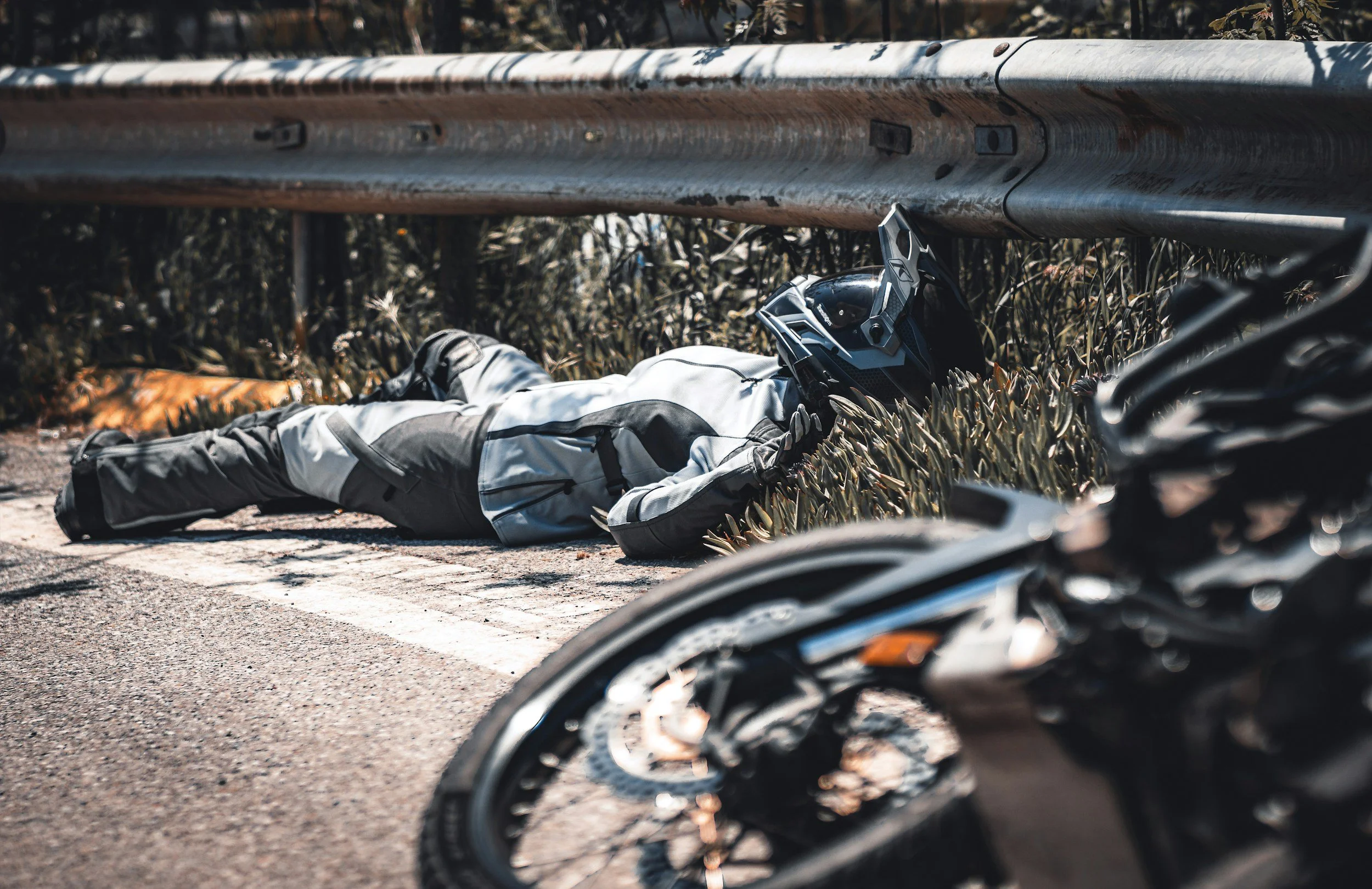
In Washington State, motorcycles represent 3% of all registered vehicles, yet motorcycle fatalities constitute 16% of all motor vehicle deaths. This number has decreased slightly, as motorcycle facilities decreased from 139 in 2023 to 109 in 2024. Despite this decrease, Washington has averaged 96 motorcycle failures per year for the last 10 years. (Washington Traffic Safety Commission, 2024)
Interestingly, while fatalities have decreased, the incidence of serious injuries and lifelong disabilities has increased. In 2022, the latest year for which this data is available, there were 1,955 crashes statewide. Of these, 125 riders lost their lives, 514 experienced serious injuries, and 651 riders sustained minor injuries. (Visual Rhetoric | Safety in Numbers: Dietmar Otte’s Motorcycle Helmet Impact Diagram, n.d.; Washington Traffic Safety Commission, 2024)
This trend is in part due to Wasihington's helmet law. In 2019, 37% of all riders killed nationally were not wearing a helmet. Contrast that to Washington State and our mandatory helmet law and only 2% of motorcycle facilities are linked to not wearing a helmet. (Washington Traffic Safety Commission, 2024)
As the fatality rate drops, we have more riders walking away injured, in many cases seriously. As most data and studies look at the fatality rate, there is debate whether motorcycle accidents as a whole are decreasing or even increasing. 1,165 riders were injured in 2022 alone, with many of these injuries resulting in permanent and lifelong disabilities.
Data from the Washington Traffic and Safety Commission indicate that most accidents occur during the summer months, primarily on state routes, between 3:00 p.m. and 6:00 p.m. Additionally, accidents are more frequent on Fridays, Saturdays, and Sundays. Notably, 96% of all accidents happen on warm and dry days, while rainy days account for only 3.11% of accidents.(Washington Traffic Safety Commission, 2024)
As we ride, we need to keep safety in mind and the things we can do to protect ourselves. Wearing full gear, although it may feel cumbersome, is one of the easiest and most effective ways to protect ourselves. Full motorcycle gear provides the highest level of protection and is specifically designed to resist abrasion and impacts. Additionally, incorporating motorcycle armor into our jackets and pants enhances this protection even further.
While DOT-approved helmets are the basic legal requirement, opting for an ECE or SNELL-approved helmet is the better choice. The DOT standard was established in the 1970s and has seen very few updates since then. DOT-approved helmets do not undergo regular testing, and while random testing does occur, the standard largely relies on an honor system, with manufacturers merely promising that they have done their due diligence.
The American Snell Memorial Foundation (SNELL) and the Economic Commission for Europe (ECE) both provide helmets that undergo annual updates to their safety standards. These helmets are required to pass rigorous testing before they can be sold to consumers, and they are made from higher-quality materials. While we try to cover the basics in this blog, the differences between DOT, SNELL, and ECE standards deserve their own discussion.
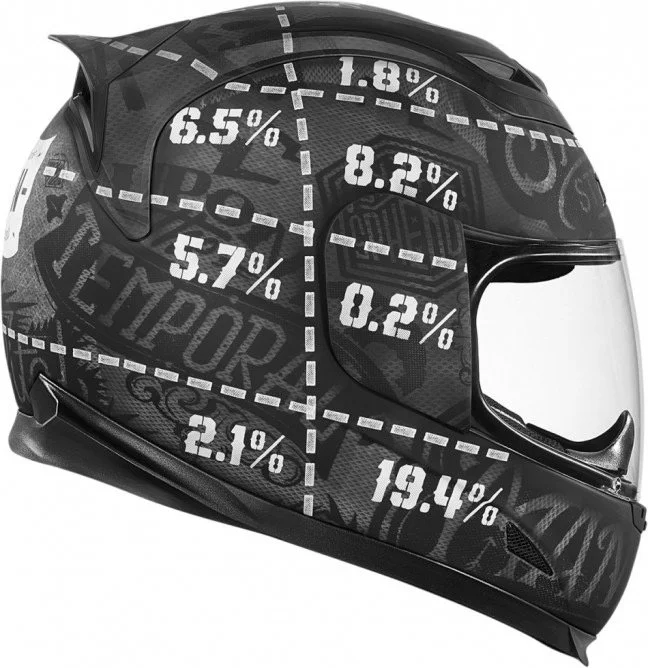
While it may be an unpopular opinion among some riders, full-face helmets provide the best protection. Studies indicate that the two most likely areas of impact on our heads in an accident are the right jaw, accounting for 19.4%, and the left jaw, at 15.2%. This means that statistically, our chin is likely to be the first point of impact 34.6% of the time, while the tops of our heads are only likely to be impacted a total of 3.5%. (Erik, 2023)
Having the right medical equipment on your motorcycle is essential in the event of an accident. We'll explore this topic in more detail in a separate blog. However, having a small but effective medical aid kit can be very useful if the need arises. Important items to consider are tourniquets, chest seals, and bandages (such as 4x4s and Kling). However, these items require proper training to use effectively and may not be appropriate for all riders.
Medical training requires a significant time and financial commitment; however, I believe it is essential for all riders. I encourage everyone to seek basic training, even if it's with another provider. You'll find that even using these skills once will make the investment worthwhile.
References
Erik. (2023, October 9). Motorcycle crash statistics for Washington State. Ladenburg Law Injury Attorneys. https://ladenburglaw.com/motorcycle-crash-statistics-washington/
Visual rhetoric | Safety in Numbers: Dietmar Otte’s Motorcycle Helmet Impact Diagram. (n.d.). https://pages.charlotte.edu/visualrhetoric/projects/illustration-video/safety-in-numbers-dietmar-ottes-motorcycle-helmet-impact-diagram/
Washington Traffic Safety Commission. (2024, February 6). Motorcyclists data - Washington Traffic Safety Commission. https://wtsc.wa.gov/road-users/motorcyclists/motorcyclists-data/