Surviving Hemorrhage
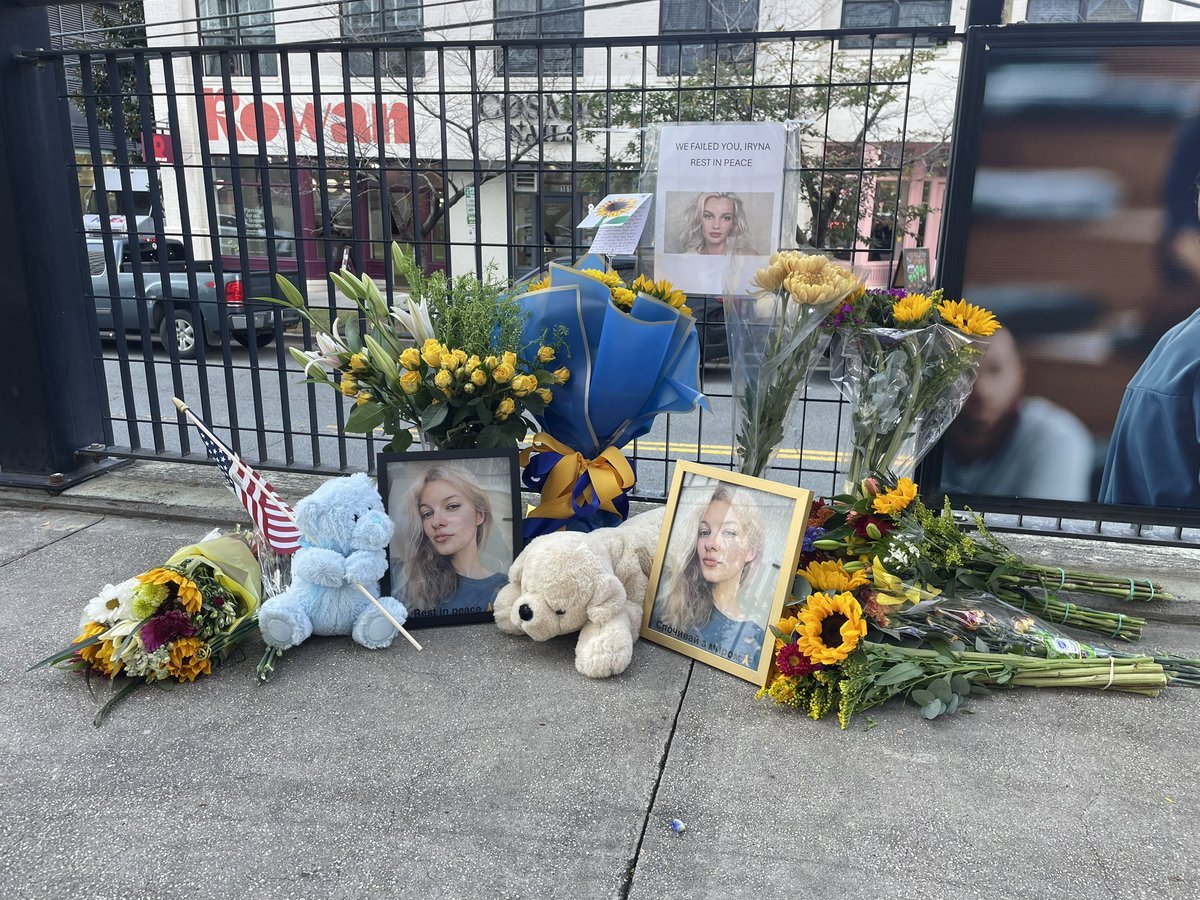
August 22, 2025, at 10 PM, Ukrainian refugee Iryna Zarutska was brutally stabbed to death on public transit in North Carolina. Multiple onlookers watched the attack, choosing not to intervene. While we all have to make a personal decision whether or not to intervene during an attack, these witnesses also decide not to render any medical assistance to Iryna after the attacker had fled the scene and the threat was removed.
Blood loss is the number one preventable cause of death in all trauma patients. Approximately 35% of all trauma patients' lives could be saved simply by applying direct pressure. Had just one person chosen to help Iryna, there is a high chance she would have survived.
What are the takeaways?
We all need to be better about our situational awareness. It is never the fault of the victim; they are attacked; however, the people around the victim could have done better in recognizing the attack.
Get trained, be prepared, and be ready. While it is not your responsibility to put yourself in harm's way, this argument fails to hold water the moment the scene becomes safe. In this scenario, the victim is a stranger in a faraway state, but what happens when you or a family member becomes the victim? Will you know how to respond and provide effective care?
Training links